Experience Vs. Savings: Finding The Right Balance For Happiness
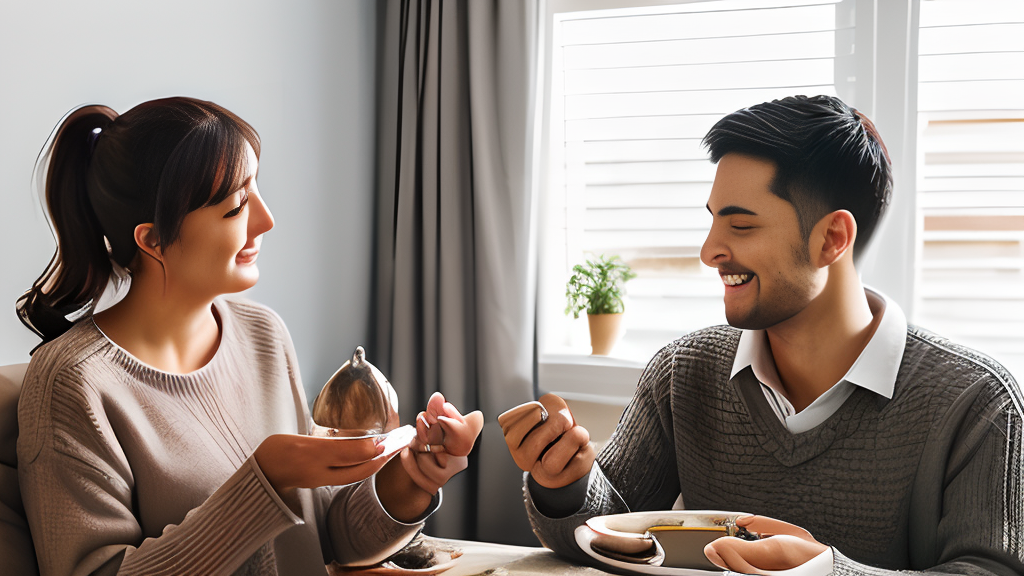
Imagine a life where every dollar you spend today not only enhances your current happiness but also secures your future. This is the essence of present wellbeing spending. It involves making financial decisions that ensure both immediate quality of life and long-term stability. Key to this is finding a balance between investing in experiences and saving for the future.
In our fast-paced world, the right balance can enrich your life with lasting memories, as emphasized by recent behavioral studies. These studies reveal that experiences often bring more enduring joy compared to material goods. Whether it’s a spontaneous weekend trip or a planned adventure, strategic spending can boost happiness while securing your financial future.
https://amzn.to/48VWwZ1
The Psychology Behind Spending on Experiences
Happiness and Spending
Research consistently shows that spending on experiences such as travel, concerts, and dining out leads to greater happiness than buying material goods. Experiences foster social connections and create lasting memories, contributing significantly to overall well-being. A study by Amit Kumar and colleagues found that experiences are less likely to lead to buyer’s remorse, as they are unique and irreplaceable.
Experiences vs. Material Goods
A series of 13 experiments involving 1,980 participants revealed that experiential purchases bring more happiness than material ones, reinforcing the idea that shared experiences foster deeper connections. “Shared experiences are more central to an individual’s identity,” notes the Scientific American.
Impact on Relationships and Productivity
Formative experiences enhance relationships and productivity, as highlighted by a study showing that doctors who trained together provide better patient care. This suggests that building personal connections through shared experiences can yield long-term benefits, transcending traditional incentives.
Strategic Splurging: The 3-Question Filter
When it comes to spending decisions, a practical tool to consider is the 3-question filter designed to guide you in transforming impulses into meaningful investments. This filter is not just about curbing spending but about making intentional choices that enhance your life.
What would I advise someone else to do in this exact situation? Imagine a friend contemplating a weekend getaway. You might suggest weighing the long-term memories against the immediate cost, offering clarity through an external perspective.
What decision moves this forward, even a little? Consider booking just one night at a luxury local hotel. This allows you to experience indulgence without committing to a full vacation, making incremental progress towards personal rejuvenation.
What’s the worst that can happen? Evaluate the real risks of splurging on a high-end dinner. Is the financial impact manageable, and would the experience enlighten your culinary horizons?
Examples of experiences that meet these criteria include hosting a sunset soirée, indulging in a local spa retreat, or attending a cultural event. These choices can transform spontaneous urges into investments in happiness and well-being.
Comparing Budgets: Experiences vs. Savings
Striking the right balance between spending on experiences and saving is crucial for both present enjoyment and future security. Let’s explore real-life budget examples and how allocations can impact your financial well-being.
| Budget Strategy | Experience Spending (%) | Savings (%) |
|---|---|---|
| Lifestyle Focus | 40% | 20% |
| Balanced Approach | 30% | 30% |
| Savings Emphasis | 20% | 40% |
Impact on Financial Security
Choosing a savings emphasis can enhance long-term financial security, providing a buffer for emergencies and future investments. However, allocating too much to savings might cause one to miss out on enriching experiences.
Effective Balance Tips
To effectively balance, regularly reassess your goals and adjust your budget to accommodate both lifestyle and savings goals. Consider leveraging digital tools for real-time tracking and adjustments. This balanced approach ensures present happiness without compromising future security.
https://amzn.to/4pZobOF
Timing Your Joy-Spends
Choosing the right moments to indulge in life’s experiences can significantly enhance your happiness. According to psychological insights, activities like attending concerts, dining out, or spending quality time with loved ones can amplify joy, particularly when these experiences are shared with others. These moments often create lasting memories that contribute positively to your overall well-being.
However, it’s crucial to balance these joyful experiences with financial planning. The concept of emotional ROI highlights that the value of experiences goes beyond financial costs. As noted by emotional connections, they foster loyalty and create meaningful bonds, ultimately enriching your life.
“Emotional ROI transcends mere monetary gains by nurturing loyalty and lifelong connections.”
To manage spontaneity alongside planning, consider the strategy of planned spontaneity. Allocate a set budget for unexpected experiences—this allows you to seize last-minute opportunities without financial strain. By setting aside funds in advance, you can embrace spontaneous adventures while maintaining overall financial health.
https://amzn.to/3KkFSJk
FAQ: Balancing Experiences and Savings
How much of my income should I allocate to savings versus spending? It’s advisable to follow the 50/30/20 rule: Allocate 50% of your take-home pay to necessities like housing and groceries, with the remaining 50% split evenly between savings and lifestyle expenses, including experiences such as dining out or traveling. (source)
What should I prioritize: experiences or savings? Evaluate purchases by distinguishing between needs and wants. Experiences often offer more long-term satisfaction than material goods, but it’s vital to also save adequately for the future. (source)
How can I avoid impulse spending on experiences? Implement a waiting period of at least 24 hours before making a purchase decision. This reflection time allows you to assess if the experience aligns with your financial goals. (source)
What strategies can I use to balance spending on experiences with saving? Focus on quality over quantity. Opt for fewer, more meaningful experiences that create lasting memories. Additionally, set specific savings goals to enjoy experiences without compromising financial stability. (source)
https://blissfullway.com/the-top-7-passive-income-streams-for-financial-independence/
Conclusion: Spending Happier Now
Balancing experiences and savings is key to achieving long-term happiness and financial security. By prioritizing experiences over material possessions, you can create lasting memories while maintaining a secure future. Implementing strategies such as a 24-hour waiting period for purchases and setting clear savings goals can help you manage your finances effectively. Focus on quality experiences that align with your values, and remember, meaningful moments don’t have to break the bank.
Start applying these strategies today and transform how you spend. Make every dollar count towards a more fulfilling life. Now is the time to spend strategically and embrace the joy of experiences.