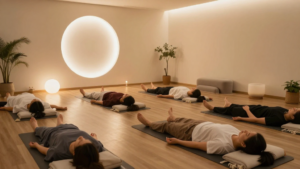
How Body-First Therapies Are Redefining Mental Health

In today’s fast-paced world, burnout is no longer a badge of honor; it is a signal to pause and listen. This shift has paved the way for body-first therapies, which emphasize the integral relationship between the mind and body. These approaches, such as Body Psychotherapy, challenge traditional notions by recognizing the interconnectedness of our physical and mental health.
Unlike traditional mind-over-matter approaches, which rely heavily on cognitive strategies, body-first therapies address the biological roots of stress and trauma. Techniques such as touch, movement, and breathing help facilitate healing, offering more than just temporary relief.
This cultural shift reflects a growing awareness of holistic healing, as people increasingly prioritize wellness over hustle. By integrating both body and mind, these therapies offer a new path to mental health and well-being.
https://amzn.to/4ppIJ2T
The Science Behind Somatic Healing
Understanding Somatic Movement
Somatic movement, characterized by a focus on the experiential aspect of movement, is vital in body-first therapies. It allows individuals to become aware of their bodily sensations and how these relate to emotional experiences. This awareness can facilitate the release of pent-up emotions, promoting a deeper healing process.
The Role of the Vagus Nerve
The vagus nerve is crucial in regulating stress and anxiety, affecting heart rate, digestion, and immunity. Stress can impair its function, leading to heightened anxiety. Techniques like deep breathing can help calm the vagus nerve, aiding in emotional balance and stress response regulation.
Empirical Evidence
Scientific studies, such as those on Somatic Experiencing®, support the efficacy of somatic healing methods. These studies show positive effects on PTSD-related symptoms, with one review noting, “Preliminary evidence indicates that SE positively affects PTSD-related symptoms, as well as affective and somatic symptoms.” This highlights the potential of somatic therapies in addressing both mental and physical health challenges.
Cultural Shift from Hustle to Healing
The rise of wellness culture marks a significant departure from the relentless grind of hustle culture, which prioritized productivity above all else. Influenced by an obsession with optimization and self-improvement, wellness culture promotes a balanced approach to physical and mental well-being. This shift has been amplified by the growing distrust in traditional institutions following the COVID-19 pandemic, leading many to seek alternative wellness solutions and influencers for guidance. Social media platforms have become powerful tools in popularizing these body-first therapies, facilitating widespread access to wellness trends and practices.
| Hustle Mindset | Healing Mindset |
|---|---|
| Productivity-focused | Balance-focused |
| Self-sacrifice | Self-care |
| Constant optimization | Holistic well-being |
Public figures like Sam Smith, Mindy Kaling, and Lizzo have further fueled this movement by endorsing body positivity and acceptance. Their advocacy challenges societal pressures and encourages individuals to embrace their bodies, reinforcing the notion that healing and self-love are vital components of mental health.
Techniques for Nervous System Regulation
https://amzn.to/4oC2hQ6
Nervous system regulation is becoming a cornerstone of modern mental health care, offering practical techniques that are easy to integrate into daily life. Deep breathing exercises such as Box Breathing and the 4-7-8 Breathing Technique are foundational practices. These methods involve controlled breathing patterns that help shift the body from stress to relaxation. Alternate Nostril Breathing is another effective method that balances energy and calms the mind.
Beyond breathing, movement exercises can also rewire stress responses. Techniques like Grounding Exercises and Mindful Movement encourage a connection with the body and the earth, fostering stability and calm. Gentle Stretching and Dynamic Movements, such as yoga or dancing, are also beneficial for releasing tension and promoting emotional regulation.
One client of Somatic Experiencing shared, “Thank you for being such a huge part of my life… It has really helped me transform into another person and I see things in a different light in so many ways!” This personal testimony highlights the transformative potential of these techniques, underscoring their role in fostering significant personal growth and a new perspective on life.
Long-Term Benefits of Body-First Therapies
Body-first therapies, such as somatic therapy, offer profound long-term benefits by focusing on the mind-body connection. These therapies promote improved mental health outcomes by effectively reducing symptoms of PTSD, anxiety, and depression. Research highlights that integrating physical sensations into mental health treatment can lead to a significant decrease in trauma symptoms. Moreover, body-first approaches enhance resilience to stress. Techniques like the Trauma Resiliency Model (TRM) teach individuals to regulate their nervous system, empowering them to manage stress and trauma more effectively. This approach fosters a return to balance, enabling the body to handle future stressors with greater ease. Additionally, body-first therapies contribute to enhanced overall well-being. By encouraging a reconnection with one’s body, they promote self-awareness, emotional stability, and a greater sense of peace and balance. Clients often report a newfound sense of control over their emotions and physical state, leading to lasting healing and a more holistic sense of wellness.
Frequently Asked Questions
https://amzn.to/4pRtbEQ
Q: Is somatic therapy just an extension of traditional talk therapy?
A: No, somatic therapy is distinct from traditional talk therapy. While traditional therapy focuses on cognitive and verbal processing, somatic therapy recognizes anxiety as a physiological response and incorporates body-based strategies such as deep breathing and mindfulness to address subconscious patterns and trauma.
Q: Does somatic therapy address trauma effectively?
A: Absolutely. A common misconception is that somatic therapy does not address trauma. In reality, trauma is often stored in the body, and somatic therapy helps release these trapped emotions through bodily experiences. It facilitates a mind-body connection, crucial for those with Complex PTSD.
Q: How do body-first therapies work?
A: Body-first therapies focus on the mind-body connection, exploring how emotions manifest physically. Techniques like body awareness and pendulation guide individuals through emotional release, helping them feel safe in their bodies while exploring thoughts and emotions.
Q: What practical advice can help beginners start with somatic therapy?
A: Beginners can start by recognizing their body’s signals of unprocessed emotions, like a tight jaw or racing heart. Simple exercises like body scan check-ins or grounding touch can help. Consider seeking professional support if struggling with anxiety or disconnection, as therapists can provide personalized guidance.
Conclusion: Embracing a New Approach
https://blissfullway.com/ultra-processed-foods-hidden-risks-revealed/
The journey towards improved mental health begins with listening to the body and understanding its signals. By embracing body-first therapies, individuals can address the physiological roots of stress and anxiety, moving beyond the limitations of traditional mind-over-matter approaches. These therapies offer a holistic path to healing that reconnects the mind and body.
We encourage you to explore body-first therapies and discover how they can transform your response to stress, guiding you from a state of chronic survival to genuine safety. Start listening to your body today and engage in practices that promote a balanced and empowered life. The most productive step you can take is to slow down and truly feel.