Local Supermarket Tourism: Exploring Culture via Aisles
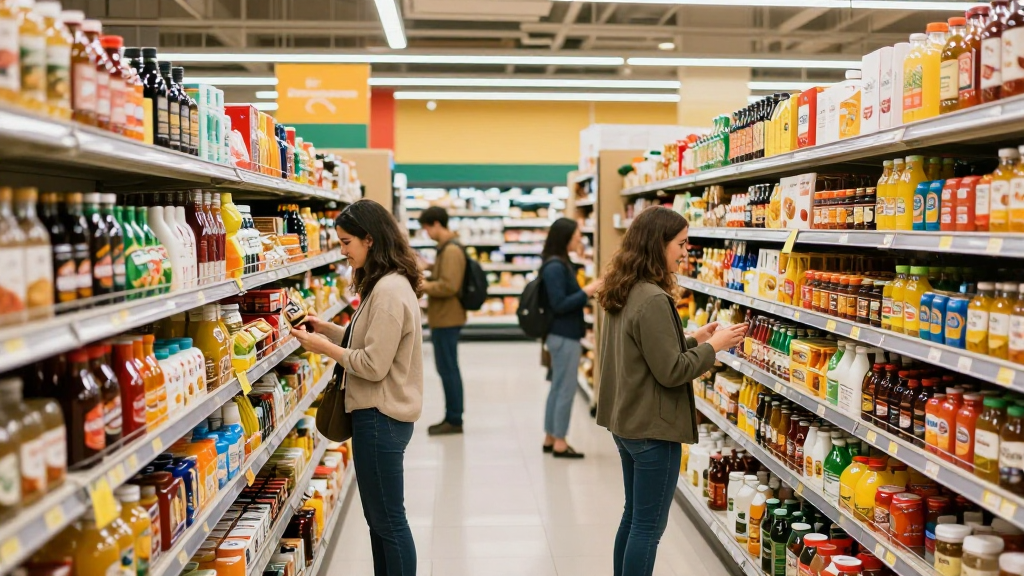
I have spent years observing how humans find profound beauty within seemingly mundane environments. We often view a routine trip to the grocery store as a tedious daily chore. However, a burgeoning travel movement currently transforms these ordinary spaces into profound anthropological galleries. I believe this rising trend represents the definitive way to understand a foreign culture deeply. This article explains how local supermarket tourism offers authentic culinary discovery for modern travelers. You will learn why a neighborhood produce section provides unparalleled insight into daily life.+2
I find that skipping crowded national museums for local aisles yields a richer travel experience. We can discover the authentic soul of a destination by simply observing its packaged snacks. I have watched this travel trend explode across social media platforms over the past year. We are witnessing a historic pivot toward affordable, highly accessible forms of global cultural immersion. I invite you to explore the complex logistics and economic benefits of grocery store sightseeing. Together, we will uncover why the world’s most authentic stories live on supermarket shelves.
https://amzn.to/4ppIJ2T
Key Takeaways
Anthropological Insight: Supermarkets serve as mirrors of societal values, reflecting national priorities through product availability.
Economic Support: Grocery tourism redirects valuable travel spending toward local neighborhoods and small-scale regional producers immediately.
Accessible Authenticity: This practice provides a low-cost, high-impact method for experiencing the authentic version of a destination.
Why local supermarket tourism is the ultimate cultural immersion
Travelers essentially step into the collective pantry of a nation when entering neighborhood supermarkets. Every aisle represents a carefully curated selection of history, geography, and current societal aspirations. Traditional museums often overlook these fascinating nuances that define modern, everyday domestic human existence. Observers notice how staple arrangements reveal whether a culture prioritizes communal dining or speed. Visitors consistently observe distinct regional preferences regarding mundane items like local oils or grains. These careful observations provide a visceral understanding that no pre-packaged guided tour can replicate. By analyzing snack sections, consumers decipher specific flavor profiles defining a generation’s culinary childhood.
https://amzn.to/4oC2hQ6
Navigating the logistics of foreign grocery store exploration
Tourists may find navigating a hyper-local market daunting due to complex linguistic barriers initially. Critics sometimes suggest this practice turns a local necessity into a spectacle for outsiders. However, respectful visitors mitigate this by treating the space with quiet, observant, mindful reverence. Understanding unspoken rules, such as weighing produce independently, remains essential for highly respectful visits. Most residents genuinely appreciate foreign curiosity regarding their regional specialties and unique dietary traditions. Addressing these logistical hurdles allows explorers to become informed participants rather than mere spectators. Thoughtful preparation ultimately transforms a confusing foreign grocery run into a seamless educational adventure.
The impact of supermarket tourism on local economies
Grocery shoppers contribute directly to the neighborhood’s financial ecosystem by avoiding generic hotel shops. This spending shift helps sustain independent producers whose goods rarely reach international export markets. Redirecting funds ensures local residents capture more economic value [Source: Travel And Tour World]. Future supermarkets might deploy augmented reality smart carts that instantly translate labels for visitors. Such technological advancements will lower entry barriers for travelers seeking diverse, non-curated culinary experiences. Participants in this movement successfully decentralize tourist revenue into suburban or residential neighborhood pockets. This economic decentralization guarantees that travel footprints support the actual communities people are visiting.+1
How to identify authentic regional products in supermarkets
Astute shoppers should initially look for official certification marks on various local food packaging. Protected Designation of Origin labels guarantee products feature traditional methods from specific geographic regions. Travelers must avoid tourist aisles located near store entrances, which usually contain mass-produced items. True authenticity thrives within middle aisles where locals source their daily condiments and spices. Shoppers should pay close attention to private label brands collaborating directly with regional farmers. Scrutinizing ingredient lists helps identify the refreshing absence of globalized preservatives found in exports. These simple identification strategies ensure visitors purchase genuinely authentic culinary souvenirs during their travels.
https://amzn.to/4pRtbEQ
Future trends in food-based experiential travel
Global consumers are currently witnessing the rapid rise of the innovative, hybrid grocerant model. These unique venues combine premium supermarket shopping with high-end, immersive local dining experiences seamlessly. Patrons can taste a regional dish and immediately purchase the exact ingredients used therein. Sustainability concerns mean hyper-transparent labeling tracking carbon footprints will become standard [Source: Global Trend Monitor]. Supermarkets will soon offer immersive educational stations where digital kiosks explain local cultivar histories. This evolution positions the supermarket as a dynamic cultural hub rather than a static store. Modern travelers stand at the forefront of a revolution valuing authentic and edible experiences.
Conclusion
We have explored the massive shift from viewing supermarkets as chores to cultural gateways. By embracing local supermarket tourism, I believe we reclaim the power of authentic discovery. We can understand a complex destination deeply through its most basic, essential human functions. The key takeaways provide a highly robust framework for planning your next international journey. I encourage everyone to prioritize anthropological insight and economic decentralization during their upcoming travels. We must remember that seeking product authenticity elevates an ordinary trip into an adventure.
My most profound realization is that the extraordinary remains hidden within the completely ordinary. I find that the world’s most authentic stories are written on local grocery labels. We no longer need to rely solely on expensive tours to experience global cultures. I urge you to wander down an unfamiliar aisle the next time you travel. We can forge genuine connections by simply sharing the universal language of everyday food. I am excited to see how this wonderful travel trend continues evolving in 2026.
https://blissfullway.com/somatic-practices-for-chronic-stress-relief/
https://www.travelandtourworld.com/
FAQs
Q: Is it considered rude to take photos while exploring a foreign supermarket? A: Visitors should generally avoid highly intrusive photography while browsing through local grocery store aisles. Always ask permission if people are nearby, and completely respect local privacy customs abroad.
Q: What are the best countries to begin a journey into supermarket tourism? A: Japan, France, and Mexico offer some of the most culturally rich grocery experiences globally. These nations feature incredibly distinct regional snacks and fascinating historical culinary traditions for travelers.
Q: How can tourists ensure they are supporting the local economy in these stores? A: Shoppers should prioritize purchasing store brand items or products featuring official regional geographic certifications. This purchasing strategy ensures that travel funds reach local farmers and independent producers directly.