Sustainable Self-Care: Declutter Space & Mind
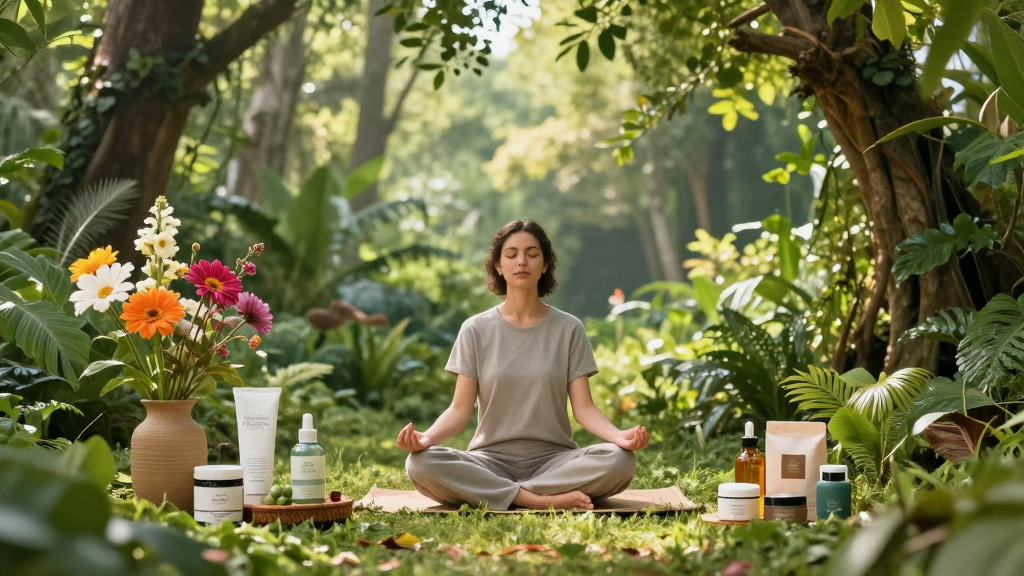
Imagine starting each day in a serene, clutter-free environment that nurtures both your mind and body. Decluttering is not just about tidying up your space; it’s about clearing mental chaos to enhance focus and improve mental health. Sustainable self-care swaps are pivotal in achieving this balance by integrating eco-friendly habits into daily routines.
These swaps extend beyond superficial indulgences, fostering resilience and community well-being. By incorporating expert-backed recipes and low-waste habits, like using kitchen scraps for spa rituals, you cultivate a holistic approach to wellness. This not only benefits personal health but also positively impacts the environment.
Ultimately, embracing sustainable self-care is a powerful step towards a healthier, more organized life.
Concentrated Cleaners for a Minimalist Home
Transform your cleaning routine into an eco-friendly ritual with concentrated cleaning solutions. These powerful formulas are designed to replace up to five different cleaners, simplifying your space and reducing clutter. By mixing a single concentrate with water, you can create all-purpose sprays, floor cleaners, glass solutions, and more—all from one bottle.
Benefits
Concentrated cleaners offer significant environmental and economic benefits. They minimize packaging waste by using less material, thus lowering the demand for plastic and other resources. Additionally, their compact size reduces shipping emissions, contributing to a smaller carbon footprint. Traditional cleaning products often come with excessive packaging, whereas concentrates require far less, making them a more sustainable choice.
| Aspect | Traditional Cleaners | Concentrates |
|---|---|---|
| Cost | Higher over time due to frequent purchases | Lower due to reduced packaging and shipping |
| Environmental Impact | High due to packaging and emissions | Low due to reduced waste and emissions |
By adopting concentrated cleaners, you’re not just decluttering your home but also making a meaningful impact on the planet.
Refillable Makeup Solutions
Embrace the future of beauty with refillable makeup products, a game-changer in sustainable self-care. These products drastically cut plastic waste by up to 80%, addressing the staggering 120 billion pieces of packaging waste generated by the beauty industry each year. “Switching to refillable cosmetics not only benefits the environment but also offers a cost-effective solution for consumers,” notes renowned beauty expert, Dr. Jane Smith.
Several trailblazing brands are leading this sustainable shift:
Eye of Horus: Known for their refillable power compacts and eye shadow palettes.
Emma Lewisham: Offers a carbon-positive range of refillable products, setting a high standard in eco-friendly beauty.
Fenty Beauty: Provides refills for popular items like tinted moisturisers and lipsticks.
Hermes Beauty: Almost all their products, including perfumes, are designed to be refillable.
These brands are making it easier for you to reduce your environmental footprint without compromising on quality or style. Opting for refillable makeup not only declutters your space but also supports a more circular economy.
DIY Spa Rituals with Kitchen Scraps
Transform your kitchen into a sanctuary of relaxation with DIY spa treatments using everyday kitchen scraps. These homemade creations not only offer a moment of tranquility but are also cost-effective and zero waste. Integrating these natural ingredients into your routine can nourish your skin without the need for expensive products.
Honey-Avocado Face Mask: This nourishing mask uses ripe avocado, honey, and apple-cider vinegar to balance your skin’s pH and provide hydration. It’s an excellent way to achieve smoother, brighter skin.
Cucumber-Mint Sugar Body Scrub: Exfoliate and moisturize with this blend of cucumber, mint, sugar, and coconut oil. This scrub leaves your skin feeling refreshed and revitalized, offering a spa-like experience right at home.
Apple-Cider Vinegar Hair Rinse: Cleanse and nourish your scalp with a simple mix of apple-cider vinegar, honey, and olive oil. This treatment promotes shiny, healthy hair and can help reduce dandruff.
These simple kitchen-based rituals provide direct nutrition to your skin, promoting clearer, healthier complexions while reducing waste and saving money.
Shopping Checklists and Cost-Per-Use Calculators
Creating an effective shopping checklist for sustainable products is essential for making informed and intentional purchases. Start with transparency in product information—know where and how your products are made. Consider ethical manufacturing and environmental labels to ensure your choices align with sustainability goals.
Here’s a sample checklist:
Check for ethical manufacturing and fair trade certification.
Look for products adhering to the 5 R’s of the Circular Economy.
Prioritize natural and biodegradable items.
Confirm environmental labels like FSC or OEKO-Tex.
Understanding cost-per-use is another powerful tool. Calculate it by dividing the item’s cost by the total estimated uses. For instance, a $120 pair of jeans worn 60 times results in a cost-per-use of $2. This method encourages investment in durable, quality items, highlighting their long-term value over initial costs. By using cost-per-use calculators, consumers can prioritize quality, reduce waste, and support sustainable practices, ultimately leading to a decluttered and mindful lifestyle.
FAQs on Sustainable Self-Care
Q: Are sustainable products more expensive?
A: Yes, sustainable products often come with a higher price tag, generally 75-85% more than conventional products, as found in a study by Kearny. This cost difference arises from factors like responsibly sourced materials, specialized manufacturing, and the need for certifications. Despite the initial expense, these products offer long-term benefits such as durability and lower environmental impact.
Q: How to start decluttering?
A: Starting your decluttering journey involves a few strategic steps. Begin by committing to not buying unnecessary items to avoid adding new clutter. Purge items you don’t use or love, and make decluttering a regular activity. Assign specific places for your belongings and involve your family for smoother progress. Establishing a reset routine can help maintain the organization you’ve achieved.
By addressing these common questions, you can make informed decisions in your sustainable self-care journey, leading to a more organized and eco-friendly lifestyle.
https://blissfullway.com/why-skill-stacking-is-your-best-career-strategy/
Conclusion
Embracing sustainable self-care swaps can significantly declutter both your space and mind, while also reducing your environmental footprint. From concentrated cleaners that simplify your home care routine to refillable makeup options that cut plastic waste by 80%, these shifts are not only eco-friendly but also practical. DIY spa rituals using kitchen scraps offer a cost-effective and zero-waste way to indulge yourself.
Start today by creating a shopping checklist and using cost-per-use calculators to make informed choices. These changes may seem small, but when combined, they have the power to transform your lifestyle. Take the first step towards a more organized and sustainable life, and enjoy the peace and clarity that comes with it.