Ultra-Processed Foods: Hidden Risks Revealed
Introduction to Ultra-Processed Foods
Ultra-Processed Foods (UPFs) are industrially manufactured products containing ingredients you wouldn’t typically use in home cooking, such as preservatives, sweeteners, colorants, and flavor enhancers. These foods have become staples in modern diets, accounting for more than half of the calories consumed at home.
Concerns are mounting over UPFs due to their association with chronic diseases, such as obesity and diabetes. They often disrupt our natural satiety signals, leading to overeating and poor nutritional intake. The American Medical Association emphasizes the importance of preventive health measures, which can be compromised by diets high in UPFs.
This article aims to shed light on the hidden dangers of UPFs and empower you with the knowledge to make healthier choices. By understanding the impact of these foods, you can start making informed dietary decisions and join the growing movement towards transparency in nutrition.
https://amzn.to/4oAqCpt
Understanding the Science Behind UPFs
Industrial Processes and Additives
Ultra-Processed Foods (UPFs) are characterized by complex industrial processes designed to enhance their palatability and shelf life. Fractionation deconstructs whole foods into components like proteins and sugars, while extrusion and hydrogenation alter textures and flavors to mimic traditional foods.
Metabolic and Satiety Effects
The consumption of UPFs is linked to significant metabolic disruptions, affecting signals of fullness and hunger. According to a study conducted in France and Germany, these foods contribute to obesity and cardiovascular issues by altering metabolic pathways and reducing nutritional quality.
Research Findings and Statistics
Research indicates that adolescents and young adults derive 22-23% of their total caloric intake from UPFs. This overconsumption leads to metabolic stress, as evidenced by the presence of metabolites like indoxyl glucuronide. These findings highlight the urgent need for dietary shifts towards whole foods.
| Additive | Health Impact |
|---|---|
| Added Sugars | Increases risk of obesity and diabetes |
| Flavor Enhancers | Disrupts satiety signals |
| Hydrogenated Oils | Contributes to heart disease |
Long-term Health Implications
https://amzn.to/3XIe6JI
The consumption of Ultra-Processed Foods (UPFs) has been linked to a myriad of chronic diseases, raising serious concerns about their role in modern diets. Key health issues associated with UPFs include:
Obesity: UPFs contribute to increased energy intake and weight gain due to their engineered palatability and calorie density. “The global increase in obesity correlates with a dietary shift towards UPFs,” notes a study highlighted in Nature.
Type 2 Diabetes: A systematic review in the BMJ found a dose-response relationship between UPF consumption and diabetes risk.
Heart Disease: There is a significant correlation between UPF intake and cardiovascular disease-related mortality, as underscored by multiple studies.
Moreover, mental health is also at risk. Research from Harvard T.H. Chan School of Public Health reveals that high UPF intake, especially foods containing artificial sweeteners, may elevate the risk of depression by up to 50%. This growing body of evidence underscores the necessity for public health measures to mitigate UPF consumption and promote healthier, whole-food alternatives.
Identifying Hidden UPFs in Everyday Foods
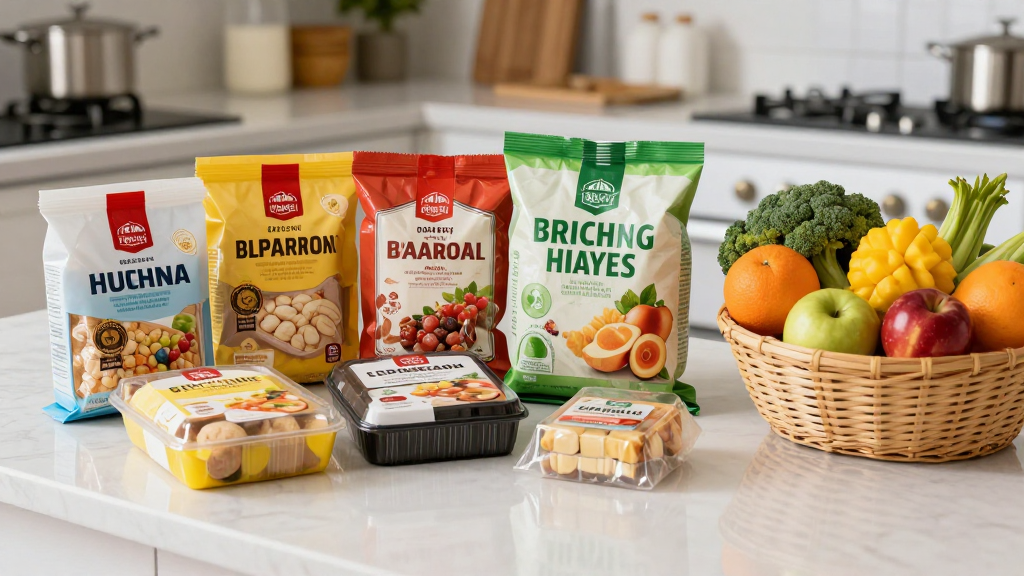
Many foods we consider healthy might actually be ultra-processed foods (UPFs). Surprising examples include:
Flavored Yogurts: Often marketed as a healthy snack, they can contain high sugar levels and synthetic additives.
Pre-Packaged Meals: These convenient options frequently have long ingredient lists full of preservatives and artificial flavors.
Snack Bars: Despite claims of being ‘energy-boosting’ or ‘protein-packed’, they might contain hidden sugars and refined starches.
Marketing plays a key role in misleading consumers. Terms like ‘made with whole grains’ or ‘organic’ are strategically placed on packaging to enhance perceived healthiness, even if the product is primarily composed of processed ingredients.
To spot UPFs, carefully read labels. Focus on the first few ingredients listed, as they constitute the bulk of the product. Watch out for multiple names for sugar, such as malt syrup, and avoid synthetic additives like BHT. Understanding ingredient lists and recognizing health-washing tactics can empower you to make healthier choices.
Whole-Food Alternatives to UPFs
https://amzn.to/44NvNeL
Making the transition from ultra-processed foods (UPFs) to whole foods can significantly enhance your health and well-being. Here’s how you can make simple swaps for a more nutritious diet.
Snacks
Replace sugary granola bars with a handful of nuts and seeds for healthy fats, protein, and fiber.
Opt for fresh fruits like apples or berries instead of candy for a natural sweet treat.
Meals
Substitute refined grains with whole grains such as brown rice or quinoa, which are more filling and nutrient-dense.
Try homemade meals like a hearty bean soup instead of canned options to control ingredients and avoid additives.
Drinks
Swap sugary sodas for infused water with slices of lemon and mint for flavor without the extra sugar.
Consider plant-based milk alternatives that are free from added sugars and preservatives.
Whole foods are packed with essential nutrients, supporting a healthy immune system and reducing the risk of chronic diseases. By embracing whole-food alternatives, you not only improve your physical health but also experience enhanced mental well-being and more satisfying meals. Learn more about the benefits and start experimenting with delicious, wholesome recipes today.
Empowering Your Dietary Choices
Awareness of ultra-processed foods (UPFs) is crucial for making informed dietary choices. These foods often undermine your health despite their convenience. By choosing whole foods, you can improve both physical and mental well-being, benefiting from enhanced nutrient density and natural flavors.
Embrace the power of whole grains, fruits, and vegetables to bolster your diet with essential vitamins and minerals. Shift towards cooking at home to control ingredients and reduce your intake of harmful additives.
Join the growing movement demanding transparency in nutrition and make a positive impact on your health. Spread the word and share this article to help others make informed choices too!
FAQ on Ultra-Processed Foods
Q: What exactly are ultra-processed foods (UPFs)?
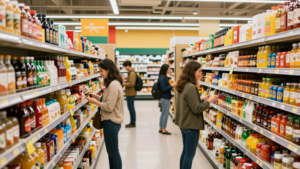
A: Ultra-processed foods are products with long ingredient lists that often include additives, preservatives, and artificial flavors. They are typically found in the middle aisles of grocery stores and comprise nearly two-thirds of the average American diet.
Q: Are all processed foods unhealthy?
A: Not all processed foods are harmful. The challenge lies in differentiating between minimally processed foods, like frozen vegetables, and ultra-processed ones, which are more likely to be linked to health issues.
Q: What health risks are associated with UPFs?
A: There is growing evidence linking UPFs to obesity, diabetes, and heart disease. As more research emerges, the potential health risks become clearer, emphasizing the need for informed dietary choices.
Q: How can I reduce my intake of UPFs?
A: Start by keeping healthy snacks on hand, swapping refined grains for whole grains, and avoiding aisles laden with highly processed foods. For more tips, explore this comprehensive guide on reducing UPF consumption.
For further exploration, consider visiting resources like the Global Food Research Program for more detailed insights.
https://blissfullway.com/inflation-survival-checklist/
Conclusion and Call to Action
As we’ve explored, ultra-processed foods dominate our diets and pose significant health risks. Recognizing these dangers empowers us to make healthier choices. By swapping UPFs for whole foods, we can dramatically improve our well-being and energy levels.
It’s time to take control of our diets and demand transparency in nutrition. Join the movement to prioritize food quality and health. Every informed choice brings us closer to a healthier future. Let’s commit to being conscious consumers and shape a more nutritious world for ourselves and future generations.