Return to Real: Guide to Intentional Micro-Communities
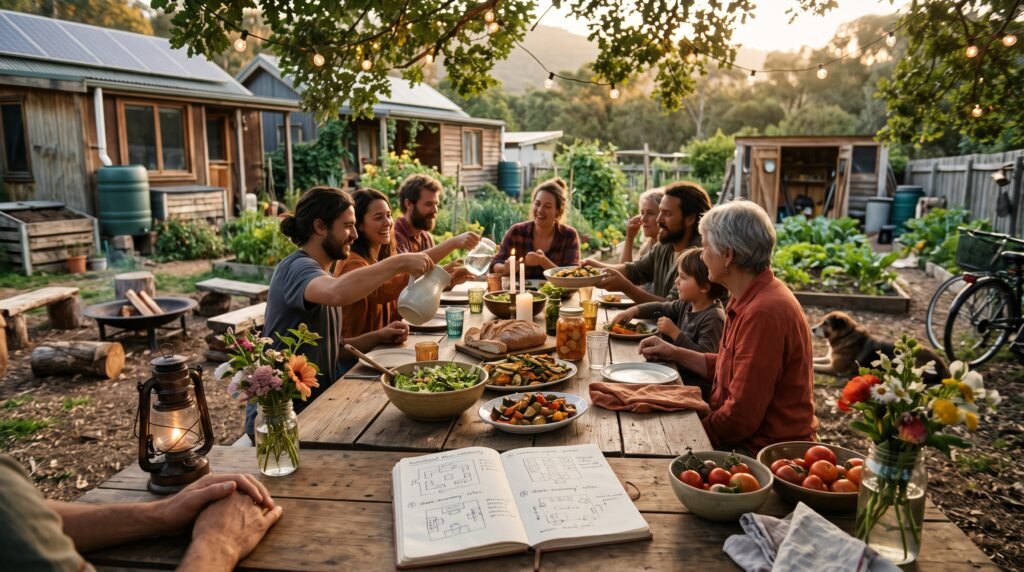
Modern adults increasingly experience unprecedented digital connectivity alongside profound personal isolation [Twenge et al., 2021]. Relentless screen time and passive online feeds frequently displace meaningful face-to-face conversations within local neighborhoods [Turkle, 2017]. In response, people across the globe now actively champion intentional micro-communities to restore authentic human connection. These close-knit groups organize recurring neighborhood dinners, tool libraries, and creative circles to foster lasting friendships. Embracing this cultural shift allows individuals to reclaim genuine belonging and cultivate resilient support networks in everyday life.
https://blissfullway.com/4nzn
Key Takeaways
Authentic Fellowship: Small, organized groups provide reliable spaces for personal vulnerability that social media platforms fail to deliver.
Mutual Resilience: Micro-communities pool practical resources, reducing everyday household expenses while building strong local safety nets.
Balanced Engagement: Successful groups set clear membership expectations to protect personal privacy and prevent social burnout.
Rebuilding Genuine Human Connection Through Intentional Local Gatherings
Sociological data reveals that constant digital engagement erodes emotional well-being and accelerates feelings of acute loneliness [Holt-Lunstad et al., 2017]. Intentional micro-communities counteract this trend by creating dependable, recurring gatherings centered around shared meals, crafts, and values. For instance, urban neighborhoods with weekly block dinners report higher mutual trust and significantly lower self-reported anxiety [Putnam, 2020]. Physical presence allows participants to read facial cues, share laughter, and develop meaningful empathy naturally. These small-scale physical networks satisfy the fundamental biological need for supportive tribal belonging that screens cannot fulfill.
Navigating Social Exhaustion Risks and Exclusive Community Boundaries
Some community planners warn that tight-knit social groups can inadvertently create cliquish environments that alienate outside neighbors [Block, 2018]. Maintaining active participation in small groups also demands substantial time and emotional effort from already busy adults. Introverted members may experience social fatigue if communal expectations intrude upon essential quiet time and domestic privacy. Furthermore, internal disagreements over shared property or differing values can strain friendships without mature conflict-resolution skills. Consequently, organizers must balance intimate community commitment with healthy individual independence to ensure lasting group cohesion.
https://blissfullway.com/2aae
Scaling Shared Neighborhood Spaces for Resilient Cooperative Living
Urban designers and civic organizations are developing flexible housing models that feature shared gardens, workshops, and communal kitchens [Williams, 2020]. Emerging cooperative cohousing developments combine fully private residences with accessible communal hubs to balance personal rest and fellowship. Local municipalities are also experimenting with micro-grant initiatives that fund neighborhood-led cleanup clubs and tool-sharing hubs. Over the coming decade, decentralized social networks will likely rely on these physical spaces to survive economic shifts. These grassroots living arrangements transform isolated subdivisions into cooperative, thriving villages designed for lifelong mutual support.
Conclusion
The growing desire for intentional micro-communities signals a vital turning point away from passive digital consumption [Turkle, 2017]. People everywhere realize that superficial online reactions can never replace the warmth of true in-person fellowship. Although maintaining authentic relationships requires personal vulnerability, patience, and effort, the emotional rewards far exceed the investments. Modern neighborhoods will continue reinventing shared physical spaces to strengthen social resilience and collective joy [Putnam, 2020]. Committing to in-person connection today builds the warm, interconnected world that human beings need to flourish.
https://blissfullway.com/future-of-socializing-new-connection-playbook/
https://www.meditationsciencehub.com/
Frequently Asked Questions
What defines an intentional micro-community compared to a casual neighborhood group?
An intentional micro-community consists of a small, committed circle of people who gather regularly around clear shared values and mutual support goals [Williams, 2020]. Rather than relying on accidental encounters, members actively schedule routine dinners, childcare swaps, or collaborative projects. This purposeful structure creates dependable accountability and builds emotional security that casual social groups rarely sustain.
How can someone launch an intentional micro-community without a large budget?
https://blissfullway.com/7wax
Starting a successful group requires only a welcoming space and a simple recurring activity, such as a biweekly potluck or a book club [Block, 2018]. Organizers can host gatherings in local parks, apartment courtyards, or living rooms without spending money on venue rentals. Keeping the gatherings simple, regular, and centered on conversation allows authentic community connections to grow naturally.
How do micro-communities protect the privacy of introverted members?
Healthy communities establish clear, flexible participation guidelines that respect individual personal boundaries and solo rest time [Putnam, 2020]. Members understand that attending every event is optional, which removes social guilt and prevents emotional burnout. Clear agreements regarding shared property and personal space ensure that intimate community life remains supportive rather than overwhelming.