Sustainable Living on a Budget: Go Green
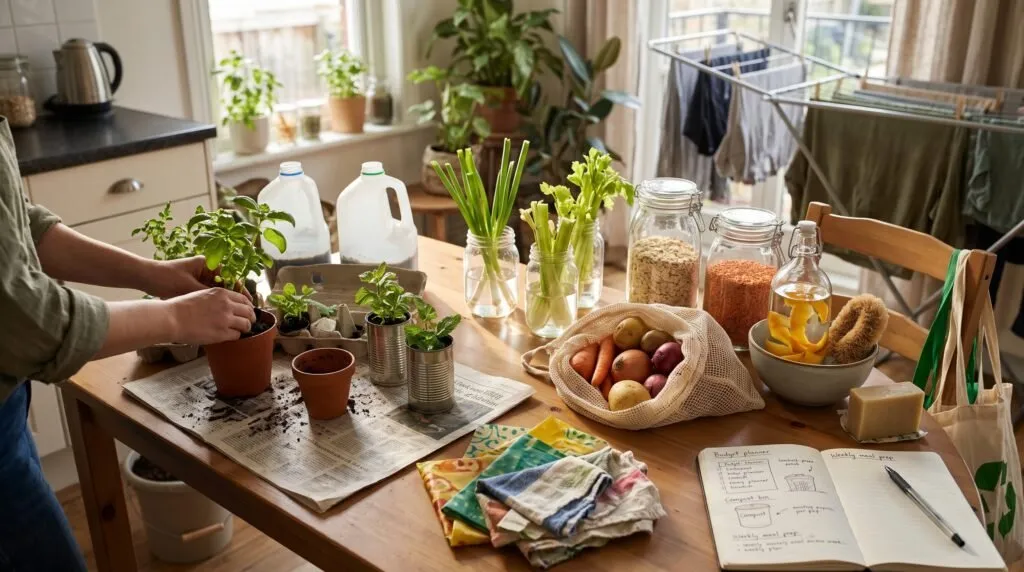
Environmental responsibility frequently carries an unfair reputation for demanding expensive lifestyle upgrades and premium specialty products. In reality, true ecological conservation aligns naturally with classic financial frugality and mindful resource consumption. Reducing daily power consumption, repairing worn household goods, and planning family meals dramatically cuts recurring monthly expenses. Adopting these practical habits shields vulnerable home budgets from inflation while preserving critical natural resources for future generations. Exploring affordable green living proves that protecting the earth remains entirely accessible to every household.
https://blissfullway.com/45q3
Key Takeaways
Direct Cost Savings: Basic conservation steps like eliminating food waste and lowering electricity usage save thousands of dollars annually. Ent Credit Union
Resource Mindset: Sustainable living prioritizes using existing possessions before purchasing new, expensive eco-friendly commercial products. Eco Swap Guide
Community Power: Grassroots tool libraries and local repair workshops make circular living practical without straining family finances.
Reducing Household Utility Bills Through Practical Energy Conservation Habits
Simple adjustments to daily energy habits deliver immediate financial savings while reducing home carbon emissions. Turning water heaters down to safe moderate temperatures and washing laundry in cold water lowers natural gas and electric bills. For example, replacing old incandescent lightbulbs with efficient light-emitting diodes reduces lighting power demands by up to seventy-five percent. In addition, unplugging idle electronic devices cuts phantom power drains that quietly inflate monthly utility statements. Practicing these consistent micro-actions proves that preserving natural resources immediately strengthens household financial health.
Overcoming Green Premium Myths and Expensive Eco-Friendly Marketing Traps
Corporate advertising often convinces consumers that environmental protection requires buying expensive bamboo accessories and organic designer items. Marketing campaigns regularly promote stylized, zero-waste products that cost significantly more than traditional supermarket alternatives. However, seasoned environmental economists argue that purchasing brand-new manufactured items still consumes raw materials and industrial energy. The most sustainable item remains the glass jar, cotton cloth, or sturdy container already sitting inside the kitchen cabinet. Thoughtful consumers must recognize that authentic conservation focuses on buying less rather than shopping for trendy green labels.
Scaling Circular Home Economy Practices With Local Repair Cafes
https://blissfullway.com/adbq
Modern urban centers and rural towns are establishing community-driven repair workshops to keep functional equipment out of municipal landfills. Volunteer mechanics and skilled neighbors gather at these local hubs to fix small electrical appliances, bicycles, and torn clothing for free. Emerging neighborhood tool-lending libraries allow homeowners to borrow lawnmowers and power drills without paying high retail prices. Furthermore, digital peer-to-peer swapping apps make trading outgrown children’s clothing and books completely cost-free. These cooperative community models will continue expanding over the next decade, making affordable sustainability a universal neighborhood standard.
Conclusion
Embracing sustainable living on a budget offers a practical pathway to achieve financial freedom while reducing environmental harm. Simple actions like preparing meals at home, mending textiles, and conserving electricity deliver meaningful savings every single month. While aggressive corporate marketing pushes costly eco-friendly gadgets, authentic sustainability relies on mindful restraint and creative resourcefulness. Communities that share tools and repair household items together build strong social ties alongside resilient local economies. Taking small, frugal steps today establishes an enduring lifestyle that honors personal financial goals and protects the earth.
https://blissfullway.com/financial-wellness-boosts-mental-health/
https://www.usbank.com/index.html
Frequently Asked Questions
What are the easiest ways to start living sustainably without spending extra money?
The simplest starting point involves using up all food inside the refrigerator before visiting grocery stores, which cuts household expenses immediately. Repurposing empty glass jars for food storage and turning old cotton T-shirts into cleaning rags eliminates the need for single-use paper towels and plastic containers. Adjusting home thermostats by two degrees also lowers utility bills without requiring any upfront cash investment.
Why do eco-friendly products often appear so expensive in retail stores?
https://blissfullway.com/k7ld
Many commercial brands market sustainable items as luxury lifestyle goods, adding high profit markups to organic fabrics and specialized glass packaging. Smaller production runs and certified fair-trade labor practices can also increase manufacturing expenses for specialty companies. Consumers can bypass these steep retail prices by purchasing secondhand goods, thrift shopping, and simply reusing items they already own.
How much money can a typical family save each year by reducing food waste?
The average household can save upwards of fifteen hundred dollars annually by planning meals and eating leftovers consistently. Storing fresh produce correctly and freezing surplus vegetables before they spoil prevents edible food from ending up in local landfills. Combining intentional grocery shopping with basic cooking habits protects both the family budget and municipal waste infrastructure.