Microplastics Elimination Audit: Step-by-Step Guide
When I first learned that humans consume roughly five grams of plastic weekly, I felt completely shocked. That amount of synthetic material equals the weight of a standard credit card sliding into our digestive systems every single week. Like many people, I thought recycling my water bottles and shopping bags protected my household from toxic plastic waste. However, a deeper look into my own kitchen cabinets and laundry bins revealed tiny plastic fragments hiding everywhere. Conducting a thorough microplastics elimination audit helped me identify these hidden pollutants, replace hazardous goods, and create a safer living environment.
https://blissfullway.com/4nzn
Key Takeaways
Audit the Hotspots: Kitchen cookware, synthetic textiles, and municipal tap water serve as the three primary sources of household microplastic contamination.
Prioritize Natural Alternatives: Replacing non-stick pans and synthetic fabrics with cast iron, glass, and cotton significantly lowers daily airborne and dietary exposure.
Focus on Reduction: While completely escaping environmental plastic remains impossible today, targeted personal audits cut everyday toxic loads down substantially.
How to conduct a home microplastics elimination audit
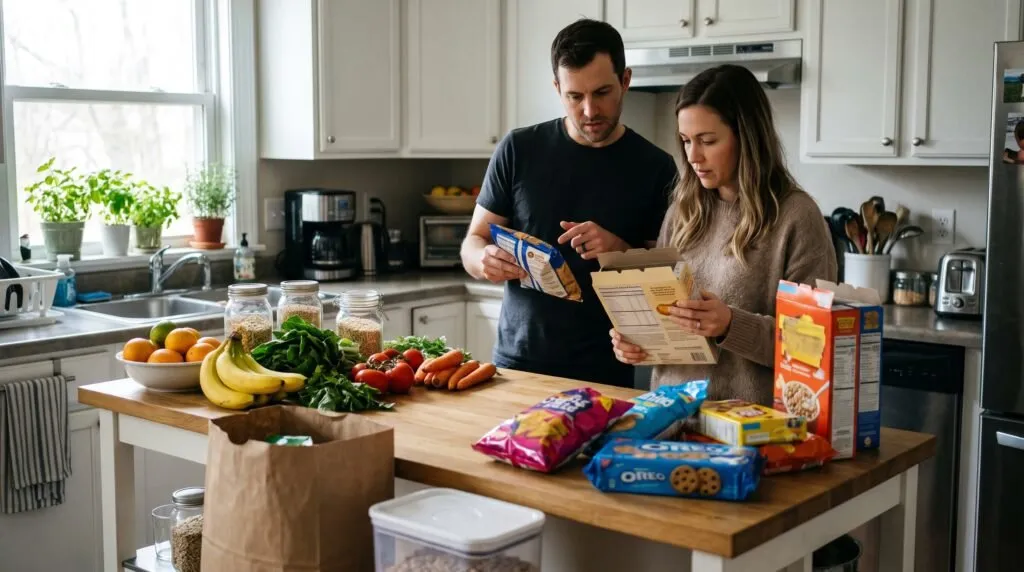
A home microplastics elimination audit begins by locating every consumable touchpoint where synthetic polymers degrade under heat and physical friction. According to research published in Environmental Science & Technology, common household items shed millions of microscopic particles directly into food during preparation. Homeowners must systematically inspect their kitchens, pantries, and food preparation areas to identify brittle cutting boards and worn non-stick skillets. When chefs chop vegetables on polyethylene boards, sharp knife blades carve out microscopic plastic shavings that stick directly to food. Inspecting these cooking surfaces provides an immediate baseline understanding of daily plastic ingestion points inside any modern residence.
https://blissfullway.com/2aae
The next phase of a thorough household assessment examines tap water supplies and laundry appliances where synthetic particles accumulate rapidly. The World Health Organization reports that drinking water across the globe contains microplastic fragments originating from industrial runoff and pipeline degradation. Furthermore, residential washing machines agitate synthetic garments like polyester fleece, discharging hundreds of thousands of microfibers into local wastewater systems during every cycle. Auditors must examine their plumbing connections, faucet aerators, and laundry setups to assess how synthetic materials move through the household. Gathering this critical baseline data empowers families to select effective filtration tools and establish cleaner domestic routines without feeling overwhelmed.
Can personal household audits truly reduce microplastic exposure
Skeptics often claim that individual household audits accomplish very little because microplastics now saturate global clouds, soil, and rainstorms. Environmental scientists from the United Nations Environment Programme acknowledge that outdoor air currents carry microscopic plastic debris across entire continents daily. Because these particles drift through outdoor breezes, critics argue that changing cooking utensils cannot shield humans from widespread global contamination. Some consumers believe that total avoidance remains scientifically impossible, making individual consumer audits seem tedious and ultimately futile for long-term health. Therefore, many people wonder whether spending time and money replacing household items makes any meaningful biological difference.
Nevertheless, public health data demonstrates that indoor environments harbor dramatically higher concentrations of airborne microfibers than open outdoor spaces. A clinical study in Frontiers in Endocrinology revealed that indoor dust contains concentrated plastic additives that directly disrupt endocrine systems. By removing synthetic carpets and filtering indoor air, residents lower their direct inhalation of dangerous plasticizers like phthalates and bisphenols. While personal actions cannot single-handedly clean the entire planet, targeted domestic interventions dramatically reduce immediate daily biological burdens on human organs. Controlling indoor exposures remains the most reliable strategy for protecting family members from chronic cellular inflammation and hormonal disruptions.
Practical room-by-room steps to eliminate microplastics daily
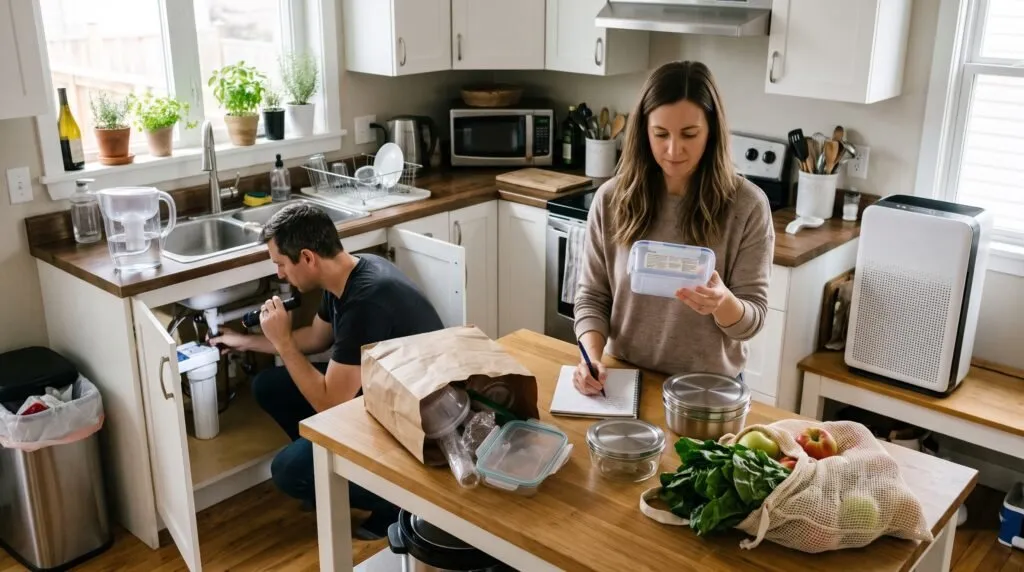
Executing a successful elimination audit requires replacing high-risk kitchen equipment with durable natural alternatives like glass, stainless steel, and seasoned iron. Homeowners should immediately discard plastic electric kettles, because boiling water causes plastic linings to release billions of nanoplastic particles per cup. Switching to wood cutting boards and storing leftover foods in glass containers eliminates direct chemical leaching into warm dinners. Furthermore, families can install certified reverse-osmosis filtration systems under their kitchen sinks to remove sub-micron pollutants from culinary water supplies. These targeted kitchen upgrades produce immediate improvements in food purity and protect vulnerable digestive systems from irritating synthetic fragments.
Beyond the kitchen, residents must overhaul their wardrobes, bedding, and regular home cleaning protocols to reduce airborne particle shedding. Replacing polyester fleece blankets with natural wool or organic cotton textiles dramatically decreases the volume of synthetic dust floating across bedrooms. Homeowners can install dedicated microfiber capture filters directly onto their washing machine discharge hoses to prevent toxic outdoor water pollution. Running vacuum cleaners equipped with sealed HEPA filters twice weekly captures settled plastic dust before small children inhale it while playing. As green chemistry expands, biodegradable plant-based materials will replace petroleum fibers, creating safer homes and supporting a healthier circular global economy.
Conclusion
Conducting my own microplastics elimination audit showed me that small household adjustments create massive benefits for long-term family wellness. I realized that keeping my living space clean required looking beyond visible dirt to identify microscopic synthetic polymers shedding into our air. By methodically swapping out plastic cutting boards, filtering our drinking water, and choosing natural fabrics, I eliminated the largest contamination sources. These practical improvements transformed my home into a protective sanctuary where clean air and pure food support our daily vitality.
We cannot control every synthetic pollutant drifting through the outdoor air, but we possess absolute authority over our immediate domestic spaces. When I look at the simple glass jars and cast-iron cookware in my kitchen, I feel empowered by those intentional choices. Protecting our bodily health in a plastic-filled modern world requires consistent awareness rather than extreme, unattainable perfection. I encourage every reader to inspect their living spaces today, take small deliberate steps, and build a cleaner personal future.
https://fiscalfitnessflow.com/index.php/2024/03/18/plastic-pollution-sources-effects-solutions-and-facts/
https://blissfullway.com/revolutionizing-sustainable-living-20-eco-friendly-tech-solutions-for-a-greener/
Frequently Asked Questions
What are microplastics, and why do they pose health risks to humans? Microplastics are tiny synthetic plastic fragments measuring less than five millimeters across, often degrading further into microscopic nanoplastics that penetrate cells. These petroleum-based particles release toxic chemical additives, including endocrine-disrupting phthalates and heavy metals, directly into living tissues upon entering the body. Scientific studies suggest that chronic exposure triggers cellular inflammation, digestive irritation, and potential reproductive complications in humans over extended periods. Filtering drinking water and reducing food contact with heated plastic containers drastically lowers your personal accumulation of these persistent pollutants.
https://blissfullway.com/7wax
Which household items release the highest amount of microplastics daily? Plastic cutting boards, synthetic clothing, non-stick cooking pans, and electric plastic tea kettles represent the most severe plastic-shedding sources in modern homes. When metal knives score plastic boards, or boiling water agitates kettle linings, billions of microscopic plastic particles detach instantly into food. Similarly, synthetic garments made of acrylic, nylon, and polyester shed thousands of airborne fibers into living rooms during everyday movement. Swapping these everyday goods for hardwood boards, stainless steel appliances, and organic cotton clothing eliminates the primary culprits behind domestic plastic exposure.
Can regular water pitcher filters remove microplastics from tap water? Basic activated-carbon pitcher filters usually improve water taste, but they rarely capture microscopic plastic particles suspended in municipal water supplies. To trap microscopic plastics effectively, homeowners require specialized multi-stage filters rated for sub-micron particulate filtration or certified reverse-osmosis purification units. Reverse-osmosis technology forces pressurized water through a dense semi-permeable membrane that blocks plastic fragments, industrial chemicals, and dissolved heavy metals reliably. Investing in high-grade water purification ensures that your daily drinking and cooking water remains free from synthetic polymer contamination.