Bone Density Lifting Program: Joint Longevity Guide
As we pass forty, maintaining bone density and functional strength becomes essential for our lifelong physical independence. Unfortunately, aggressive linear powerlifting regimens often push our connective tissues too far, sparking frustrating joint inflammation and chronic stiffness. When we force rigid weekly weight increases, slow-recovering tendons and cartilage inevitably break down under accumulated systemic fatigue. By adopting a smarter bone density lifting program governed by autoregulated effort, we can stimulate skeletal remodeling safely.
https://blissfullway.com/adbq
Key Takeaways
Axial Loading Stimulates Bone Mineralization: Lifting heavy compound loads at seventy to eighty-five percent of one-rep maximum provides the mechanical tension needed to increase skeletal bone density.
Autoregulation Protects Connective Tissues: Utilizing the Rate of Perceived Exertion scale allows lifters to adjust daily training loads dynamically, preventing tendonitis and accumulated joint strain.
Low-Frequency Splits Maximize Systemic Recovery: Training two days per week provides seventy-two hours of inter-session recovery, allowing slower-healing cartilage and tendons to remodel completely between workouts.
Applying Progressive Overload Without Joint Pain Using RPE
Progressive overload stimulates osteoblast activity when skeletal bones experience compressive forces exceeding normal daily levels. Research in Bone Reports (2024) demonstrates that lifting heavy loads increases lumbar spine bone mineral density by four percent annually. Rather than forcing fixed plate additions, mature lifters utilize the Rate of Perceived Exertion scale to manage daily fatigue levels. Stopping compound sets at an eight rating delivers necessary mechanical tension while keeping two repetitions in reserve to shield joints. This flexible autoregulation stimulates skeletal remodeling steadily while completely eliminating the chronic tendon inflammation caused by rigid progression.
Managing Connective Tissue Lag and Fixed Progression Pitfalls
While traditional linear strength templates promote rapid neural gains, they fail to accommodate the biological mismatch between muscular and connective tissue recovery. Tendons and articular cartilage receive minimal blood flow, requiring up to three times longer to remodel than vascularized skeletal muscle fibers. Orthopedic data in Sports Medicine (2024) shows that forty percent of mature lifters develop overuse tendonitis during rigid linear cycles. Furthermore, training with extreme restraint or dropping intensity below sixty percent fails to provide sufficient osteogenic stimulation to halt age-related osteopenia. Balancing bone remodeling against joint preservation therefore requires adjusting volume carefully rather than abandoning heavy compound lifts altogether.
Structuring a 2 Day Strength Routine for Bone Health
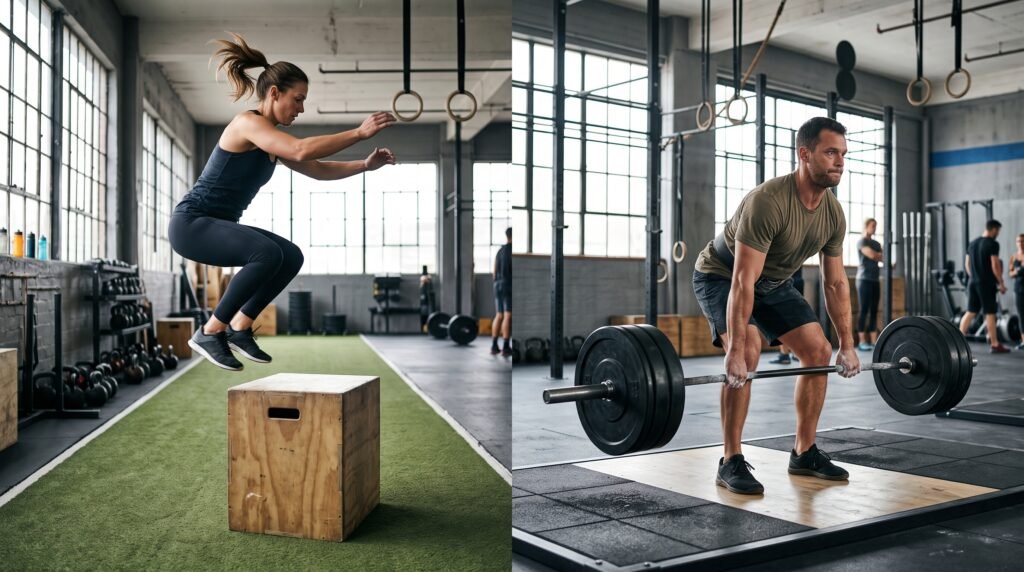
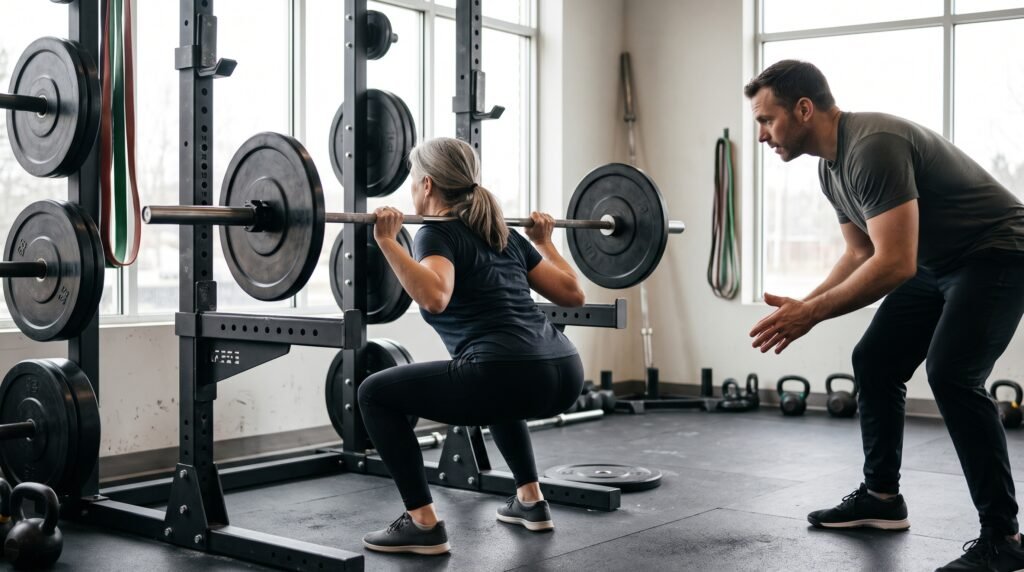
Executing a low-frequency, two-day training split provides seventy-two hours of inter-session recovery, allowing slower-recovering joint tissues to adapt fully. Clinical findings from Medicine & Science in Sports & Exercise (2024) confirm that twice-weekly compound lifting preserves peak bone mass effectively. Lifters perform axial compound movements like box squats and trap-bar deadlifts across three to five sets of four to six repetitions. Rest periods between working sets must extend to three full minutes to replenish intramuscular phosphocreatine and maintain crisp movement biomechanics. Emerging biometric fitness sensors now measure bar velocity in real time, helping lifters fine-tune their RPE ratings with digital precision.
| Training Day | Primary Movement | Sets x Reps | Target Intensity | Rest Interval | Joint-Friendly Substitution |
|---|---|---|---|---|---|
| Day 1: Tuesday | Trap-Bar Deadlift | 3–4 sets x 4–6 reps | RPE 7.5–8.0 (2 reps in reserve) | 3 Minutes | Elevated block pulls |
| Standing Overhead Press | 3 sets x 5–6 reps | RPE 7.0–8.0 (2 reps in reserve) | 2–3 Minutes | Neutral-grip dumbbell press | |
| Chest-Supported Row | 3 sets x 6–8 reps | RPE 8.0 (2 reps in reserve) | 2 Minutes | Cable seated row | |
| Farmer’s Carries | 3 sets x 40 paces | Moderate load (steady cadence) | 90 Seconds | Trap-bar standing hold | |
| Day 2: Friday | Goblet or Box Squat | 3–4 sets x 4–6 reps | RPE 7.5–8.0 (2 reps in reserve) | 3 Minutes | Leg press (high foot placement) |
| Incline Dumbbell Bench | 3 sets x 6–8 reps | RPE 7.5–8.0 (2 reps in reserve) | 2–3 Minutes | Floor press | |
| Romanian Deadlift | 3 sets x 6 reps | RPE 7.0–7.5 (2–3 reps in reserve) | 2–3 Minutes | Cable pull-through | |
| Suitcase Hold & March | 3 sets x 30 seconds/side | Moderate load (strict posture) | 90 Seconds | Half-kneeling paloff press |
Building dense bones and functional strength does not require us to sacrifice our joints to rigid lifting schedules. By embracing an autoregulated two-day routine, we honor our body’s natural recovery timelines while still exposing our skeleton to vital bone-building loads. This sustainable approach protects our tendons and ligaments from painful chronic inflammation, ensuring we stay active, capable, and confident for decades to come. When we measure training success by our sustained joint comfort and vitality, lifting becomes a lifelong longevity practice. This week, let us program our compound lifts with disciplined RPE, respect our connective tissue, and build lasting skeletal strength.
https://serenity7wellness.com/index.php/2026/03/03/japanese-walking-the-3-minute-interval-method-for-cardio/
https://blissfullway.com/zone-2-cardio-why-slower-running-builds-a-strong-heart/
Frequently Asked Questions
What is the best lifting frequency for bone density over 40?
Lifting two to three days per week is optimal for adults over forty seeking to build bone density. This low-frequency schedule delivers seventy-two hours of essential recovery between sessions, allowing slower-adapting tendons, ligaments, and cartilage to remodel completely while stimulating osteogenesis through heavy axial compound lifts.
https://blissfullway.com/rdaf
How does RPE prevent joint pain during progressive overload?
The Rate of Perceived Exertion (RPE) scale gauges daily fatigue instead of enforcing fixed weight increases. Stopping sets at RPE 7.5 to 8 leaves two repetitions in reserve, ensuring mechanical tension stimulates bone remodeling while preventing joint breakdown caused by poor form or accumulated systemic fatigue.
What exercises build the most bone density without hurting knees or hips?
Trap-bar deadlifts and box squats build exceptional bone density while protecting sensitive hips and knees. The neutral grip of the trap bar keeps the torso upright, reducing lumbar shear forces, while box squats control joint depth and eliminate excessive patellar tendon tension at the bottom of repetitions.