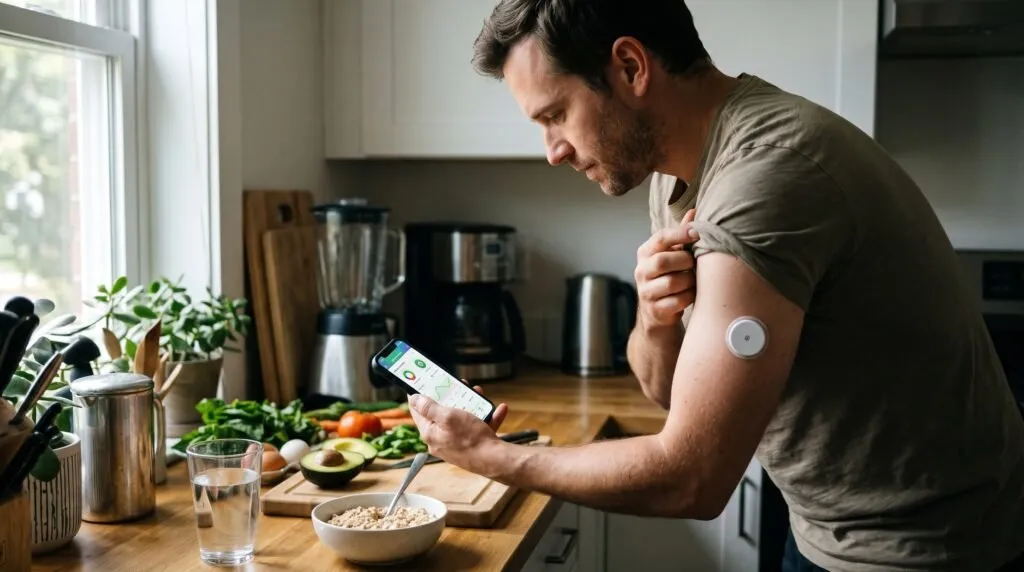
Non-Invasive Vagus Nerve Stimulation: Guide to tVNS
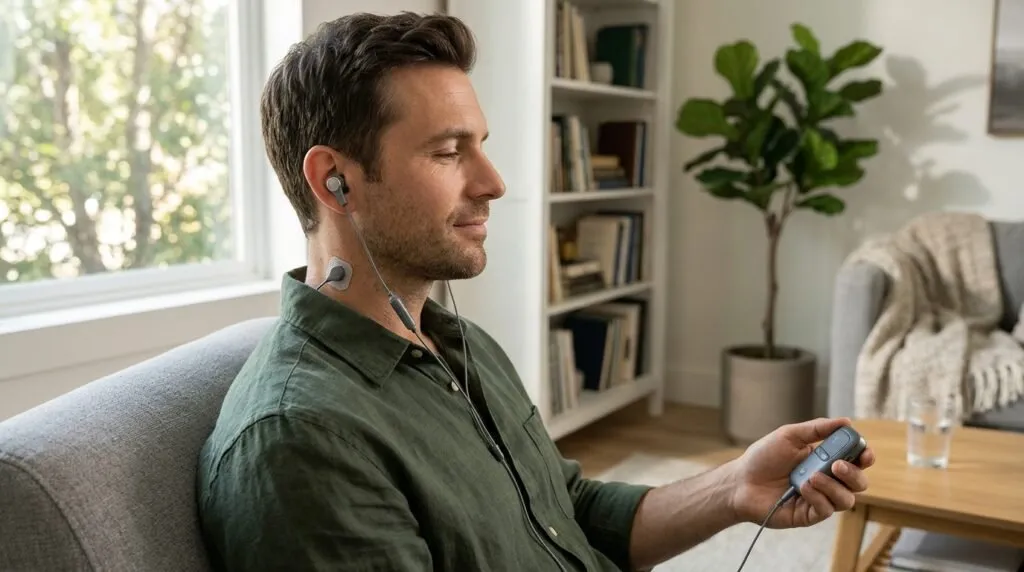
We live in an era where sustained psychological stress constantly pushes our autonomic nervous system into chronic sympathetic overdrive. In our clinical research and therapeutic practice, we encounter countless individuals struggling with systemic fatigue, persistent inflammation, and treatment-resistant anxiety. Transcutaneous vagus nerve stimulation offers a revolutionary, non-surgical pathway to stimulate parasympathetic recovery without requiring surgically implanted electrodes. By delivering gentle electrical microcurrents to accessible nerve branches in the ear or neck, this therapy directly modulates central brain pathways. Exploring the underlying biological mechanisms, current safety boundaries, and therapeutic applications helps us understand how this non-invasive technology is transforming modern neuromodulation.
https://blissfullway.com/4nzn
Key Takeaways
Non-invasive vagus nerve stimulation targets the auricular or cervical nerve branches to trigger parasympathetic pathways and dampen systemic pro-inflammatory cytokines.
Precise electrode placement, pulse frequency calibration, and individual skin impedance significantly dictate clinical outcomes, making improper device usage a persistent limitation.
Emerging wearable technologies expand therapeutic access for treating chronic migraine, major depression, autonomic dysregulation, and neuroinflammatory disorders without surgical interventions.
How transcutaneous vagal stimulation activates autonomic pathways
Non-invasive vagus nerve stimulation operates by directing mild electrical pulses to superficial cutaneous branches located on the external ear or the lateral neck (Farmer et al., 2016). Stimulating the auricular cymba conchae specifically excites thick myelinated afferent A-fibers that project directly to the brainstem’s nucleus tractus solitarii (Frangos et al., 2015). Once activated, this neural hub triggers downstream release of acetylcholine, which suppresses systemic pro-inflammatory cytokines through the cholinergic anti-inflammatory pathway (Tracey, 2002). Controlled neuroimaging studies demonstrate that targeted auricular stimulation induces rapid functional connectivity changes across the amygdala and prefrontal cortex, enhancing overall heart rate variability (Clancy et al., 2014). These synchronized central and peripheral actions effectively downregulate sympathetic hyperarousal while restoring parasympathetic tone across multiple organ networks.
https://blissfullway.com/2aae
Clinical limitations and safety risks of tVNS devices
Despite its growing popularity, transcutaneous neurostimulation presents distinct therapeutic hurdles regarding user calibration, anatomical variability, and inconsistent pulse dosing (Yap et al., 2020). Slight shifts in electrode contact or fluctuating epidermal impedance can dramatically alter electrical current delivery, converting a therapeutic signal into painful skin irritation (Redgrave et al., 2018). Furthermore, stimulating cervical vagal fibers presents small risks of transient bradycardia or throat tightening, making unmonitored home devices unsuitable for patients with pre-existing cardiac arrhythmias (Silberstein et al., 2016). Commercial direct-to-consumer gadgets frequently bypass rigorous clinical validation, leading users to operate devices with unverified pulse frequencies that fail to trigger genuine neuroplastic adaptation. Medical specialists emphasize that treating complex autonomic disorders requires validated clinical protocols rather than unregulated, over-the-counter consumer headsets.
Practical applications of non-invasive vagus nerve stimulation
Clinical specialists increasingly utilize transcutaneous neuromodulation as an adjunctive treatment for pharmacologically resistant depression, cluster headaches, and post-traumatic stress disorders (Kong et al., 2018). Standard therapeutic protocols recommend twenty-to-thirty-minute sessions administered once or twice daily at customized pulse frequencies ranging between twenty and thirty Hertz (Badran et al., 2018). Beyond psychiatric care, rehabilitative facilities apply targeted neurostimulation alongside physical therapy to accelerate motor recovery following ischemic strokes (Dawson et al., 2021). Looking forward, the next generation of smart closed-loop neurostimulators will automatically synchronize pulse delivery with real-time biometric indicators, such as instantaneous respiratory rate and electrodermal arousal. Integrating these adaptive bioelectronic platforms into regular clinical outpatient care will democratize precision neurostimulation across wide patient populations.
Conclusion
As we continue to navigate an increasingly overwhelming world, we must recognize that genuine biological recovery requires proactive autonomic regulation. We can no longer treat mental health challenges and chronic inflammatory conditions as isolated biochemical phenomena completely divorced from our peripheral nerve pathways. In our assessment, non-invasive vagus nerve stimulation represents one of the most promising frontiers bridging bioengineering with daily neurophysiological recovery. When guided by rigorous science and clinical protocols, this gentle bioelectronic tool can help our bodies release chronic tension patterns and rediscover natural homeostasis. We encourage clinicians and patients alike to approach these innovative neurotherapies with both scientific curiosity and balanced discernment to achieve lasting physiological health.
https://serenity7wellness.com/index.php/2026/10/27/emotional-fitness-and-nervous-system-regulation/
https://blissfullway.com/somatic-practices-for-chronic-stress-relief/
Frequently Asked Questions
https://blissfullway.com/lxvk
What is non-invasive vagus nerve stimulation?
Non-invasive vagus nerve stimulation, commonly known as tVNS, is a bioelectronic therapy that delivers mild electrical impulses to peripheral branches of the vagus nerve. By applying gentle current to the ear or neck, it activates parasympathetic pathways without requiring surgical implants.
Is transcutaneous vagus nerve stimulation safe to use?
Clinical trials demonstrate that tVNS has a high safety profile with minimal side effects, primarily limited to mild skin tingling or minor local redness. However, individuals with cardiac pacemakers, active metal implants, or uncontrolled cardiac arrhythmias must avoid these electrical devices without direct medical supervision.
How quickly does tVNS produce noticeable benefits?
Immediate physiological effects, such as increased heart rate variability and reduced acute muscle tension, typically manifest within a single thirty-minute treatment session. Sustained relief from chronic inflammatory symptoms, depressive moods, or recurrent migraines generally requires four to six weeks of consistent daily stimulation.