CGMs for Energy Biohacking: Avoid Crashes & Fatigue
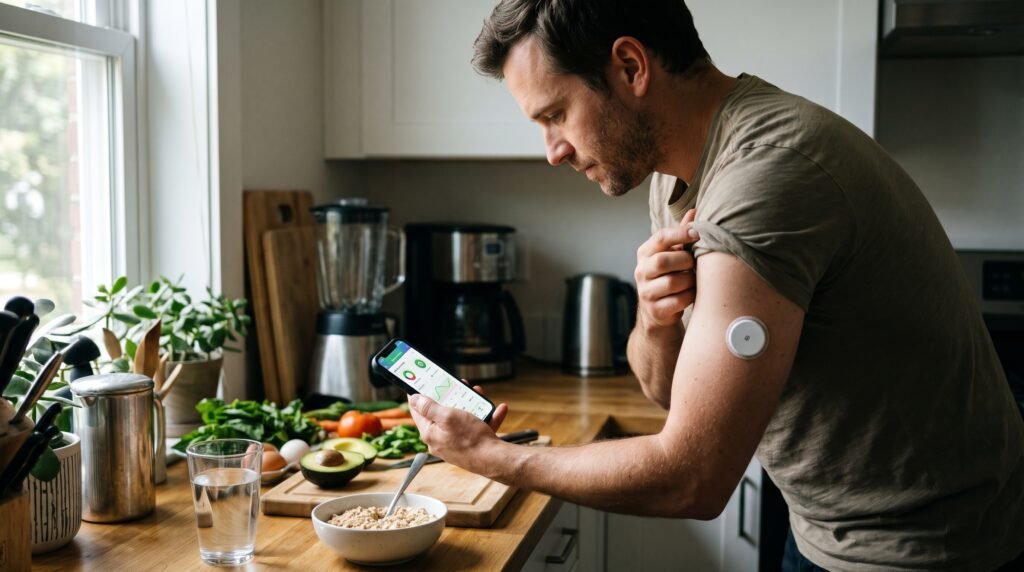
Like many professionals, I spent years fighting severe afternoon slumps with extra espresso shots and sugary snacks. I noticed that my energy plunged every workday around two o’clock, leaving my focus completely shattered and sluggish. When I finally attached my first continuous glucose monitor, or CGM, the root cause immediately became clear. I discovered that hidden blood sugar spikes from my favorite lunches were directly triggering my sudden energy dips. Tracking metabolic patterns in real time has completely transformed how I fuel my body for consistent productivity throughout the day.
https://blissfullway.com/lxvk
Key Takeaways
Track the Peaks: CGMs track interstitial glucose continuously, helping users pinpoint specific foods that cause sudden blood sugar spikes and reactive crashes.
Balance the Plate: Pairing carbohydrates with dietary fiber, protein, and healthy fats dampens glucose volatility and promotes stable physical vitality.
Context Over Data: While CGMs offer valuable biofeedback, healthy individuals should treat the data as lifestyle guidance rather than medical dogma.
How continuous glucose monitors prevent afternoon energy crashes
Continuous glucose monitors utilize a tiny filament beneath the skin to measure interstitial fluid glucose throughout the day. When someone eats refined carbohydrates or sugary treats, blood glucose levels rise rapidly within the circulatory system. In response, the pancreas secretes substantial amounts of insulin to clear that circulating sugar from the bloodstream quickly. Research published by the American Diabetes Association confirms that this rapid clearance often triggers reactive hypoglycemia, commonly known as an energy crash. By viewing these glycemic shifts on a smartphone app, individuals can instantly identify the exact dietary triggers behind their afternoon exhaustion.
Personal metabolic responses vary dramatically from person to person based on genetics, sleep quality, and gut microbiome composition. A large-scale clinical study by the Weizmann Institute of Science demonstrated that identical meals produce wildly different glucose responses across healthy participants. For example, one person might experience a sharp glucose spike from oatmeal, while another processes the exact same bowl smoothly. When users track their personal glycemic variability, they gain actionable insight into which meals support steady cellular energy production. Armed with this biofeedback, people can modify recipes to maintain flatter glucose curves and preserve sharp mental clarity all day.
https://blissfullway.com/45q3
Are CGMs necessary for healthy non-diabetic energy tracking
Critics frequently question whether healthy adults without diabetes truly need round-the-clock wearable glucose sensors to manage their daily vitality. Medical experts from Harvard Health Publishing caution that constant digital monitoring can provoke unnecessary anxiety around completely normal post-meal glucose fluctuations. Furthermore, non-diabetic individuals naturally produce adequate insulin, meaning minor blood sugar variations rarely cause any long-term physical damage. Some nutritionists argue that basic dietary discipline, such as eating whole foods and cutting soda, accomplishes similar metabolic benefits without expensive gadgets. Therefore, wearing a sensor might feel like overcomplicated biohacking for someone who already feels energetic and active.
Nevertheless, advocates point out that personalized metabolic data provides objective motivation that generic health advice simply cannot match. Many individuals do not recognize that stress, poor sleep, and intense workouts dramatically influence their resting blood sugar levels. A wearable sensor acts like a digital dashboard, illustrating the hidden physiological toll of chronic burnout and poor lifestyle habits. When people observe an immediate spike after a high-pressure meeting, they recognize the physical impact of stress hormones like cortisol. This direct observation helps individuals cultivate sustainable, balanced habits that improve long-term metabolic health far beyond simple calorie counting.
Practical daily CGM biohacking routines to boost sustained energy
Applying real-time glucose data allows individuals to design practical daily routines that prevent fatigue before it starts. For instance, biohackers frequently consume protein and dietary fiber before eating simple carbohydrates to slow down gastric emptying rates. A study published in the journal Nutrients showed that food sequencing significantly dampens post-meal glucose spikes across diverse populations. In addition, taking a brisk ten-minute walk immediately following lunch activates skeletal muscle contractions that absorb excess glucose without requiring extra insulin. These straightforward behavioral shifts help maintain smooth glycemic curves, effectively preventing the dreaded post-lunch brain fog and productivity collapse.
Looking ahead, the integration of artificial intelligence with biosensor hardware will make continuous metabolic tracking even more seamless and predictive. Emerging sensors aim to track multiple biomarkers simultaneously, combining glucose readings with lactate, cortisol, and hydration metrics on a single patch. Future applications will deliver real-time meal adjustments and predictive warnings hours before an anticipated energy dip occurs. As wearable technology matures and consumer costs decline, personal metabolic optimization will transition from a niche biohack into everyday preventative wellness. These advancements will empower broader populations to take active control of their cellular energy and metabolic longevity.
Conclusion
By analyzing real-time glucose biofeedback, I learned that avoiding energy slumps does not require extreme calorie restriction or constant stimulants. I now recognize that steady vitality depends on smoothing out blood sugar hills through smart food pairing and light post-meal movement. Rather than guessing why brain fog appears, I can consult my metabolic patterns and take immediate corrective action. This systematic approach to personal nutrition has replaced my mid-afternoon exhaustion with reliable, clean focus that carries me through demanding workdays.
Ultimately, mastering personal energy is about listening closely to the biological signals our bodies broadcast every single hour. I believe wearable sensors offer a fascinating window into our unique physiology, reminding us that no single diet works identically for everyone. While technology provides invaluable guidance, sustainable health still rests upon fundamental pillars like restful sleep, nourishing whole foods, and regular exercise. I encourage anyone struggling with chronic fatigue to observe their unique metabolic responses and discover what truly sustains their daily drive.
https://holisticwellnesswave.com/index.php/2025/07/22/protein-and-fiber-first-healthy-eating-made-simple/
https://blissfullway.com/the-rise-of-fiber-as-the-new-protein-in-2026/
Frequently Asked Questions
What is the difference between blood glucose and interstitial glucose measured by a CGM? A traditional fingerstick glucometer measures capillary blood glucose directly from the bloodstream, providing an immediate snapshot of current sugar levels. In contrast, a continuous glucose monitor measures glucose present in the interstitial fluid surrounding your skin cells. Because sugar travels from the bloodstream into the interstitial space, CGM readings typically experience a five-to-ten-minute physiological delay compared to direct blood tests. This slight delay does not impact broader trend tracking, making CGMs highly effective for observing overall glycemic stability and post-meal spikes.
How long should a healthy person wear a CGM for biohacking purposes? Most healthy individuals do not need to wear a glucose sensor continuously throughout the entire calendar year to gain meaningful metabolic benefits. Wearing a sensor for two to four weeks usually provides sufficient data to reveal how your regular diet, sleep, and workouts affect your energy. During this trial period, users can test their favorite meals, observe reactive slumps, and establish sustainable eating patterns that keep glucose steady. Once you understand your individual dietary triggers, you can maintain those habits without wearing a sensor continuously.
https://blissfullway.com/7a48
Can stress and poor sleep cause glucose spikes even without eating sugar? Yes, psychological stress and sleep deprivation can cause substantial spikes in blood glucose levels even if you are completely fasting. When you experience chronic mental stress or sleep loss, your adrenal glands release stress hormones such as cortisol and epinephrine. These hormones signal your liver to break down stored glycogen and dump fresh glucose into the bloodstream to prepare your muscles for action. If you remain sedentary while stressed, that extra sugar stays in circulation, leading to sustained hyperglycemia followed by a noticeable energy crash.